
Crown Publishing Group
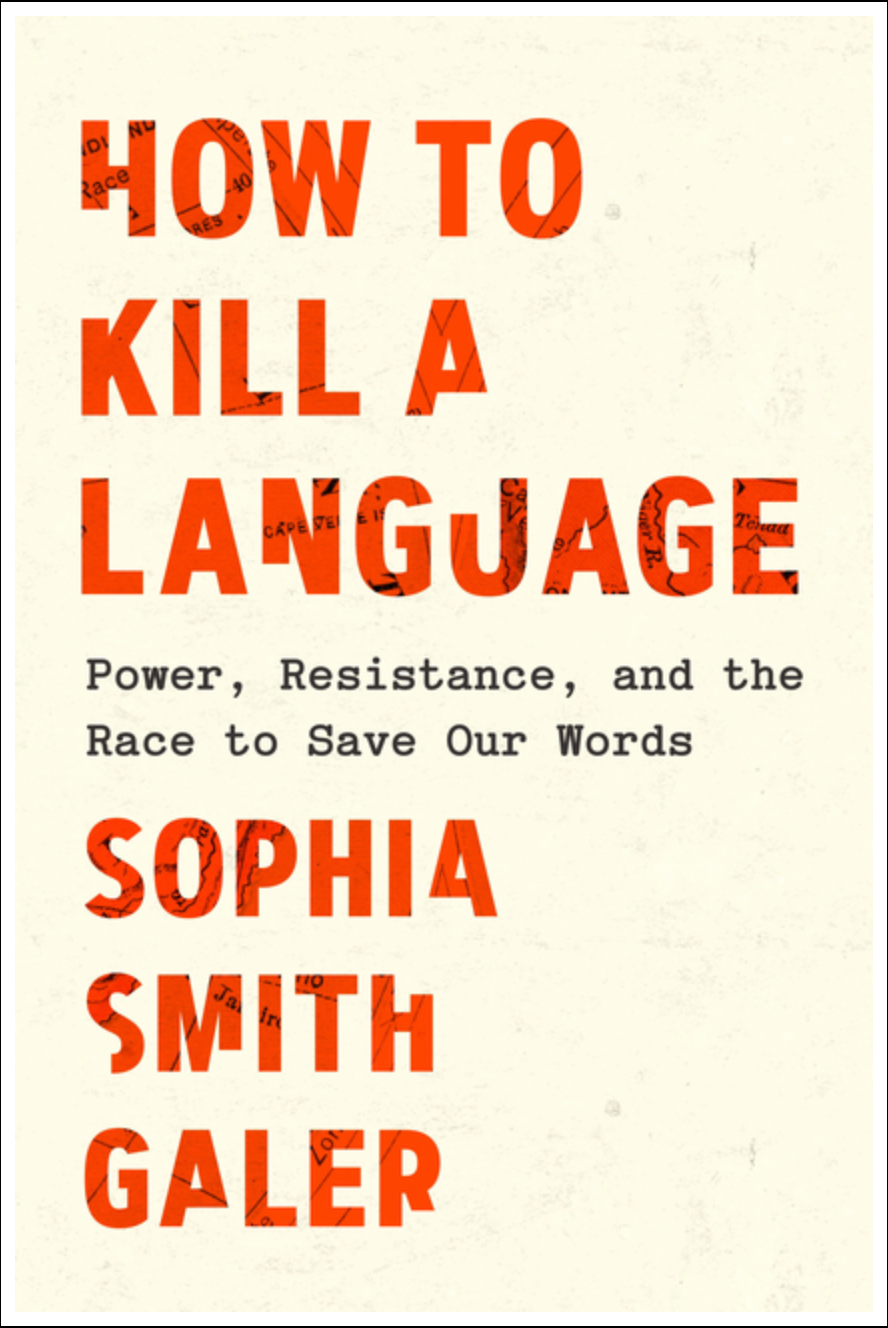
How to Kill a Language: Power, Resistance, and the Race to Save Our Words
How to Kill a Language: Power, Resistance, and the Race to Save Our Words


Couldn't load pickup availability
An urgent, globe-spanning exploration of languages at risk, from Kichwa to Ukrainian, that asks: What do we lose--culturally, politically, and personally--when a language is silenced?
"A vivid, hopeful portrait of how people around the world are staying connected to their linguistic roots."--Gretchen McCulloch, author of Because Internet: Understanding the New Rules of Language
Languages can be killed in many ways: war, the climate crisis, nationalism, and even quiet choices made at the dinner table. Around the world, an unprecedented shift is drawing speakers toward national and global lingua francas. For some, that means losing the language of parents or grandparents; for many, it is a permanent farewell to systems that carry knowledge, culture, and belonging. With half of our 7,000 languages due to disappear this century, linguicide is one of the most pressing cultural emergencies of our age.
In How to Kill a Language, journalist Sophia Smith Galer travels across continents and generations to chart this phenomenon. In Ecuador, she sees firsthand how shame deters parents from passing Kichwa onto their children. In Oman, she learns about languages with roots older than Arabic but never officially recognized. And in Italy, she searches for her Nonna's dialët, which is vanishing from diaspora communities and Italy itself. But languages can also be reclaimed: We meet the Karuk tribe of California, pioneering a grassroots language immersion program, and the storytellers challenging the criminalization of Kurdish. And in her discussion of Hebrew, Smith Galer reckons with the unintended consequences of raising a language seemingly from the grave.
Part investigation, part travelogue from a disappearing world, How to Kill a Language exposes the true costs of this mass extinction event. Brought to life by vivid storytelling and Smith Galer's own experience with language loss, it's a fierce rallying cry for a multilingual future.